Posted on

SailFuture is seeking an entrepreneurial and passionate teacher

SailFuture

Service Learning Teacher

SailFuture is seeking an entrepreneurial and passionate teacher with experience with service-learning projects to help build a paradigm-shifting high school service learning program that seeks to reinvent how we engage foster youth with criminal charges (16-18 years old). The innovative group home model takes place partly on a 65-foot sailboat named “Defy the Odds” and aims to demonstrate what happens when you empower youth with real life skills, rich experiences, and leadership/ service opportunities. SailFuture is a child welfare and juvenile justice agency based in St. Petersburg, FL that works with 16-17 year old boys in foster care who are dually served by the Department of Juvenile Justice. We are not a typical child welfare or juvenile justice agency and this position is not for an educator seeking an opportunity to teach in a traditional classroom setting. We believe that it is a privilege, not a given, to be able to help break the cycle of incarceration and generational poverty in a young man's life. As the teacher, you work side by side with a mental health counselor and captain to teach and develop six youth every day for 12-months.  The teacher will have full control over their high school curriculum and the structure and specific service projects built into the service learning program. The service learning program will be fully accredited by Hillsborough County school board.


For the first 3-months of the program, the teacher will live with six students on a 65-foot sailboat and navigate more than 700 nautical miles around the coast of Florida. This unique approach is our key to building the trust and understanding necessary to truly change the trajectory of another human being's life.

Following the sailing journey, the teacher will stick with their six youth as a house parent for 8-months, living with the young men in a waterfront home in St. Pete. Leveraging the relationships built at sea, the teacher will help each young man continue to grow personally, professionally, and ensure the attainment of their GED or high school diploma. The teacher will serve as a house parent with a mental health counselor and two house coordinators.

This is a two-year position that requires a full-life commitment to the well-being and success of the kids we serve. The return is a unique opportunity to make a defined, transformational impact in the lives of some of society's most challenging youth. 

Responsibilities:

  • Living on a 65'; sailboat and a 4 bedroom home and assisting with daily living operations
  • Responsible for the educational success of all 9 youth
  • Teach service learning classes tied to each service project
  • Prepare individual education assessments for each youth
  • Develop an academic plan for high school graduation and post-secondary education opportunities based on each youth's education assessment Maintain weekly reports on each youth's academic progress
  • Assist with enrollment for all youth re-entering traditional high school
  • Nightly tutoring sessions
  • Assist with job and education placement
  • Drive youth to and from school, work, doctors appointments, and other activities   

Minimum Qualifications:

  • A passion for water, boating, swimming, or sailing
  • Bachelors + 2 years teaching experience
  • Valid driver's license
  • First Aid / CPR (provided by SailFuture)
  • De-escalation tactics (provided by SailFuture)
  • Trauma Informed Care (provided by SailFuture)
  • Offshore sailing competency course (provided by SailFuture) 

Compensation &Benefits

  • Total compensation: $45,000 base salary; Housing, food and health insurance included in compensation plan (value – $20,000)  
  • Salary: $25,000
  • Food: $8,000
  • Housing: $9,500
  • $2,500 signing bonus at start of 2nd year
  • 4 weeks paid vacation

To apply, please send your resume and cover letter to executive director Michael Long at

mlong@sailfuture.org


Contact: 

Michael Long

MLong@sailfuture.org

(941) 219-9847
Posted on

Description Of The Nepal Earthquake By 7th And 8th Graders

My name is Sarmila. I am a 15 year old girl. On the day of the earthquake I was loading fertilizer on the truck. Other people were working in the field. Others were getting cow food. Everybody was outside when the earthquake hit. If everyone was inside some people would have been killed. Many of our buildings fell down. Many walls fell down. We have eight buildings here. In the school building many walls fell down, windows broke,  etc. We were very afraid. It was a 7.5 quake. I could feel the earth moving. I had never been in an earthquake before.
 
I looked everywhere in the community to see what the damage was. I felt sad. A lot of the children were  crying. Sounds were coming from everywhere.  The air was very thick with dust. The sky was dark with a black cloud. The teachers went into all the buildings to see if everyone was OK. Everybody here was OK. The army went around Nepal to help people who were  hurt, take away the dead, bring people to the hospital.
 
There was no electricity for four or five days. The water was not running. We had to bring water in.
 
Everybody stayed here. We stayed all around the community. We couldn’t live in the dorm anymore because it was dangerous. The building could fall down. For a while we stayed in the reception building, in tents, and any place we could find.
 
Now it getting better. Some people still sleep in the school. A lot of the buildings are not repaired yet. The water is working again.
 
Everybody has been active  and strong. We hope there won’t be another earthquake.
Posted on

Nepal Diary

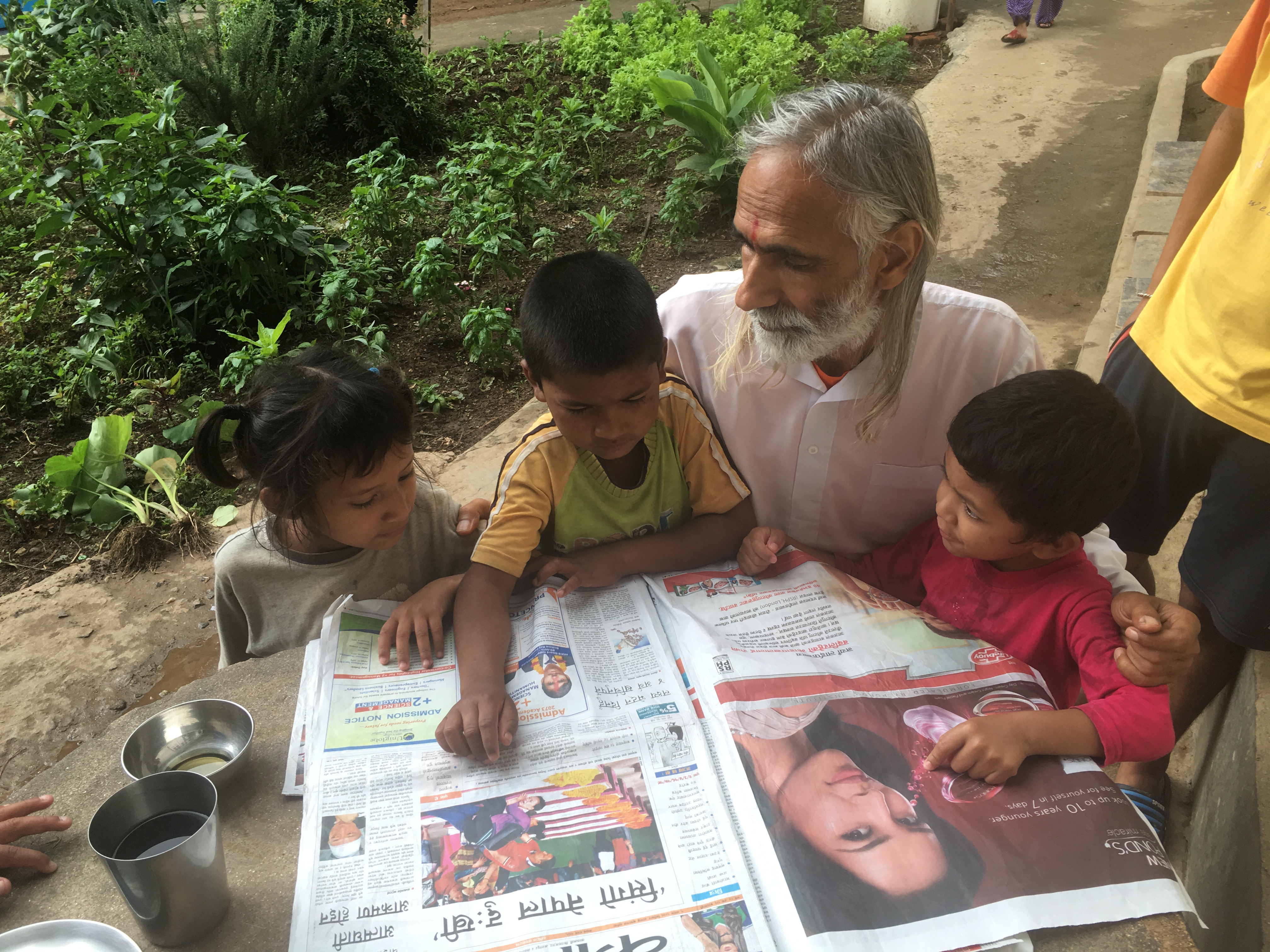
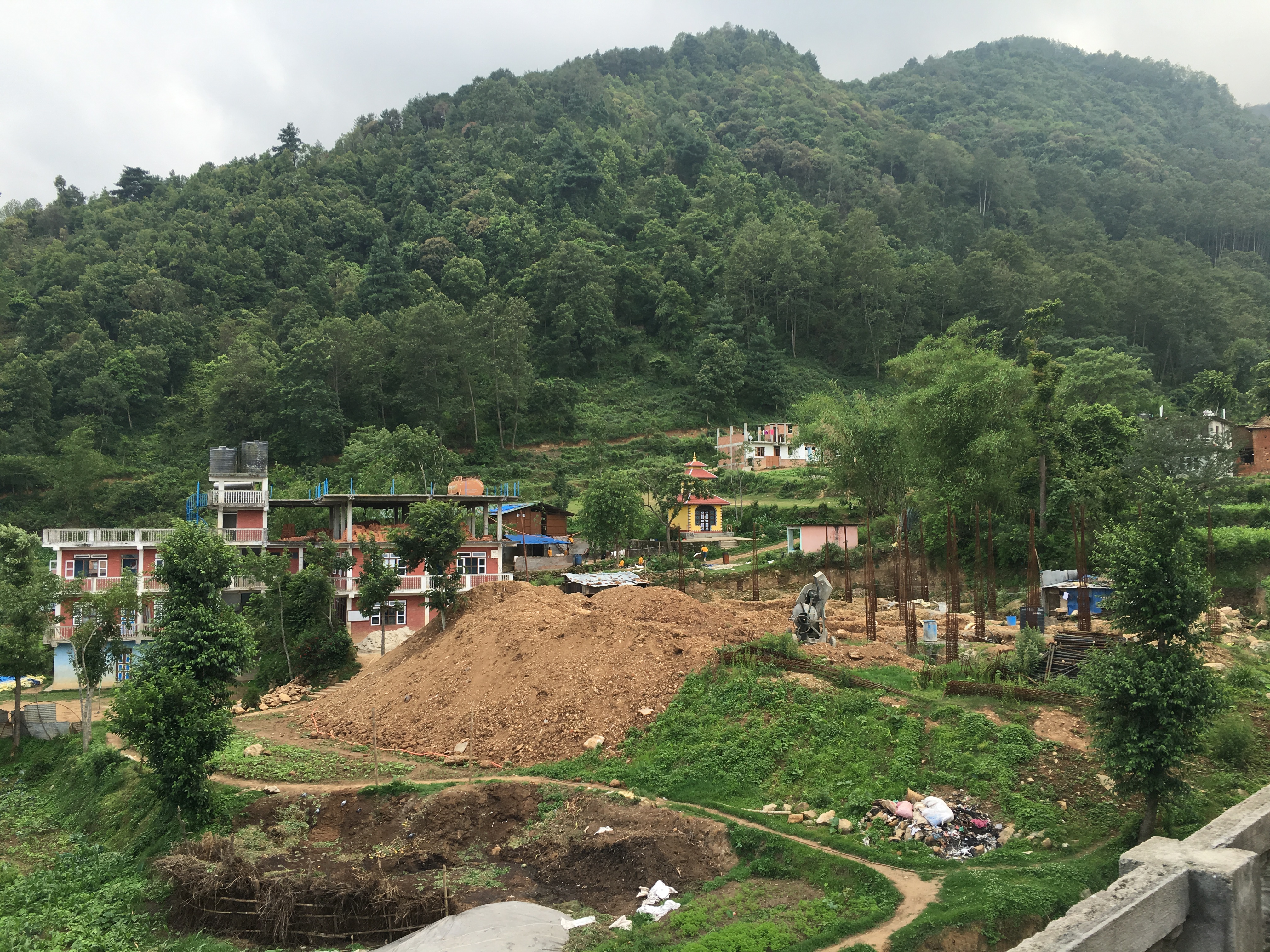
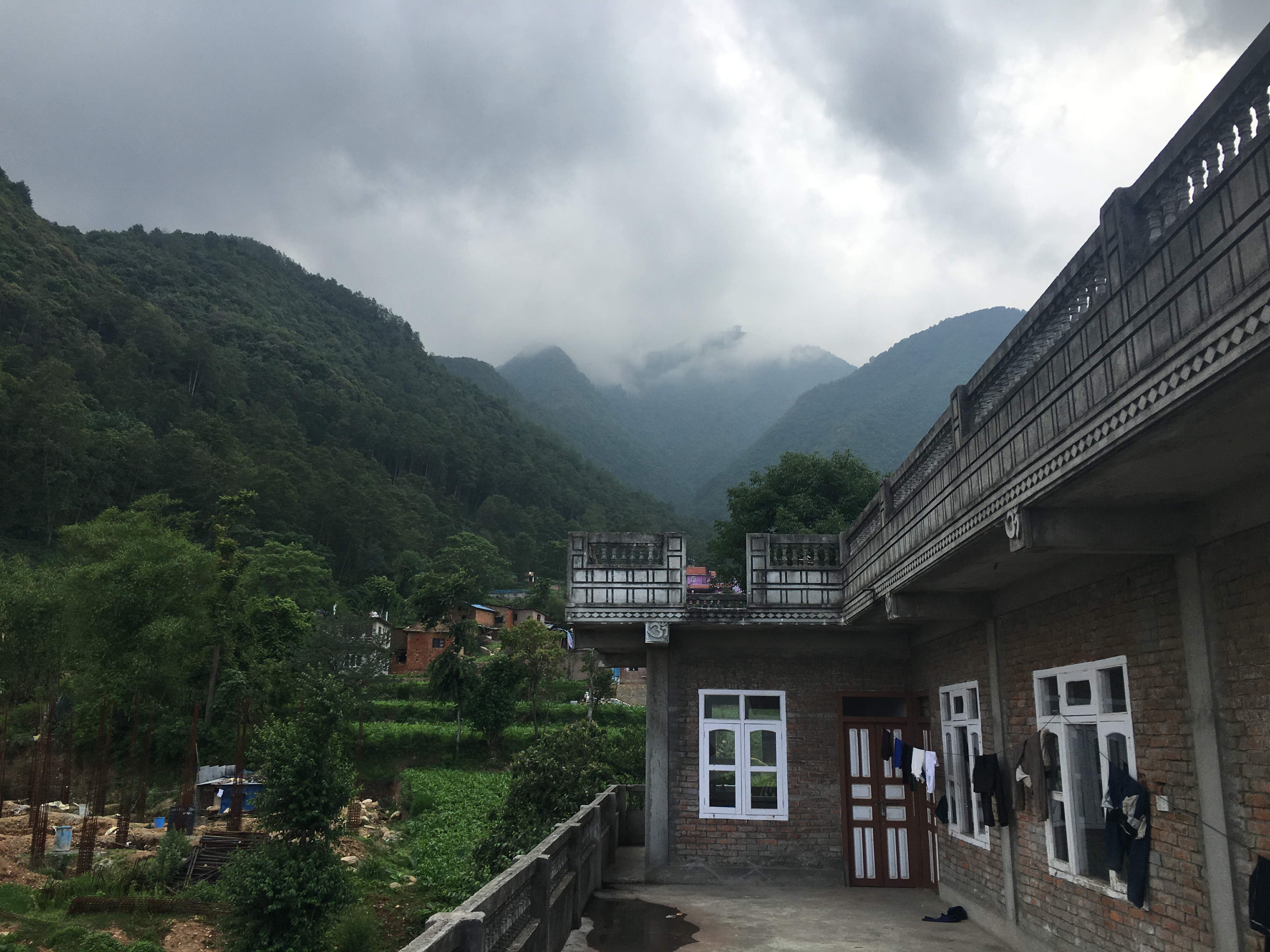
After I left Finland I flew back to England and transferred to a flight to Delhi, India, and there to a flight to Katmandu, Nepal, a very arduous day of travel. I finally was going to get to visit the Sri Aurobindo Yoga Mandir Ashram/orphanage. It is one of the most amazing and unique programs I have ever seen, and I’ve seen hundreds. We’ve been helping them in any way we could since 2001 when I met the founder, Chandra Mani Bhusal, known as Ramchandra, when he was gathering support for the Ashram in New York City. Before committing to help them I had a member of our organization, who happened to be in Nepal at the time, do an on site visit. With her recommendation, we jumped in. Since that time I have met Ramchandra and his students many times, mostly at the IDEC in places such as India, Australia, New Zealand, Germany, and the one we hosted in New York. But this is the first time I have been here myself. They now care for 110 children at this site, 60 at a farming site they have in Terai. A few of their graduates are developing a site in Gulmi for trekkers to support the Ashram. Despite the fact that nobody pays for these orphaned children, it is 70% self-supporting through agriculture, dairy farming, selling organic food and milk at local markets, making incense, essential oils and pashmina, milling flour, hosting tourists to teach them meditation and yoga, etc. They do this primarily on only 2 1/2 acres toward the hills on the outskirts of Katmandu. We even got a grant for them years ago so they could buy some of this land. When the earthquake hit, many of their buildings were damaged. They’ve had to scramble to survive. AERO members raised $10,000 to help with repairs but they will need hundreds of thousands. Construction goes slowly here, as they are able. The earthquake stopped construction of a big new building that had started. They were going to host the IDEC here in 2018 but because of the damage that was just postponed to 2020.
 
 
Those of you who went to the AERO conference two years ago met Ramchandra and heard him tell his incredible story. He ran away from Nepal at the age of 12 to India, seeking a better life. He educated himself there, finally living at the Sri Aurobindo Ashram in Pondecherry. Sri Aurobindo has been described as a Indian John Dewey. He taught about experiential learning, spiritually and all religions.
 
After 20 years Ramchandra returned to Nepal. He was now 32. He saw the great poverty there and determined to build an orphanage. He found his family again and the first person to help him was his 12 year old sister, Kamala, whom he had just met for the first time. He promised to give her a good education.
 
Eventually they bought the land where the current Ashram is located. 
 
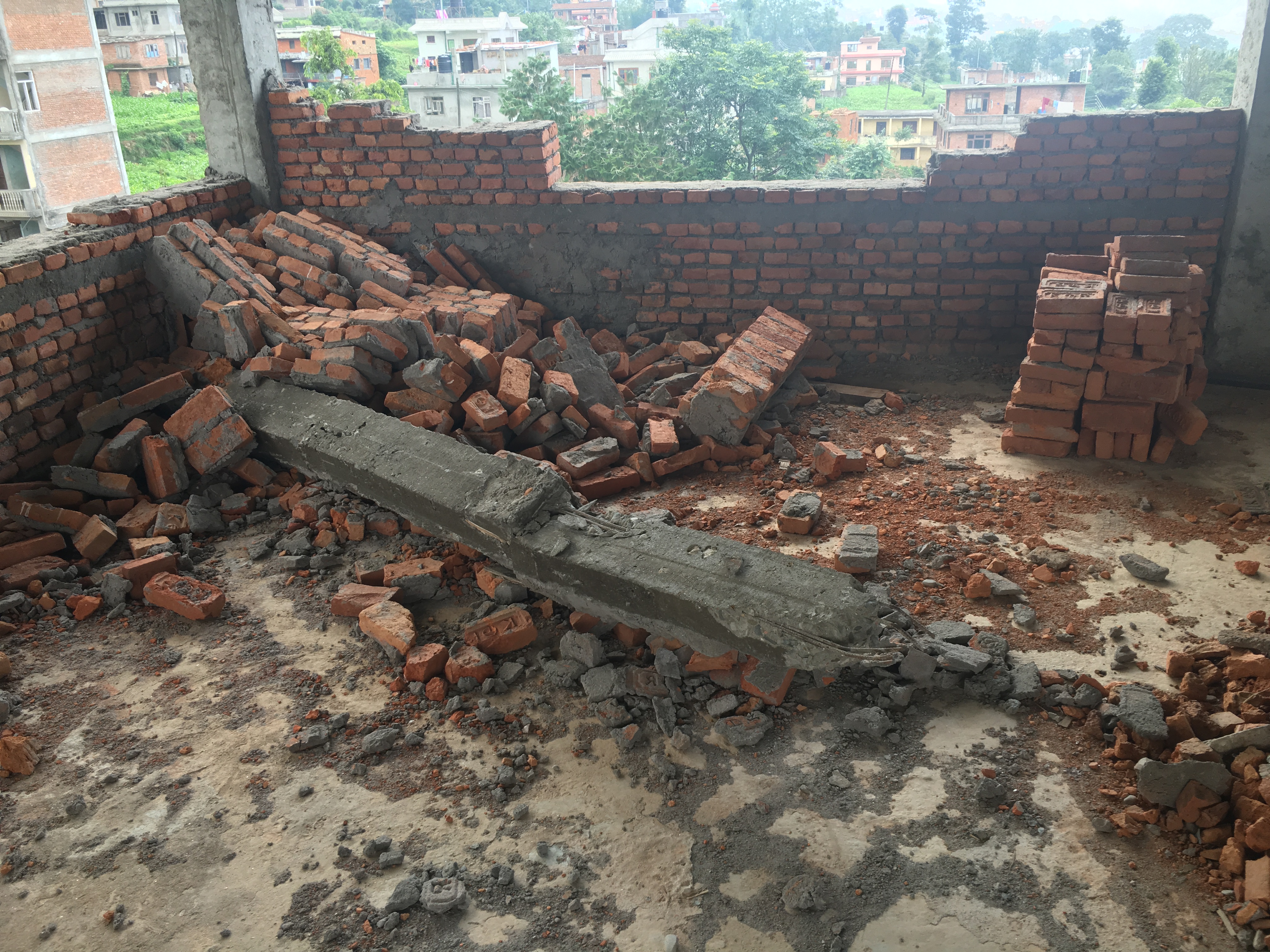
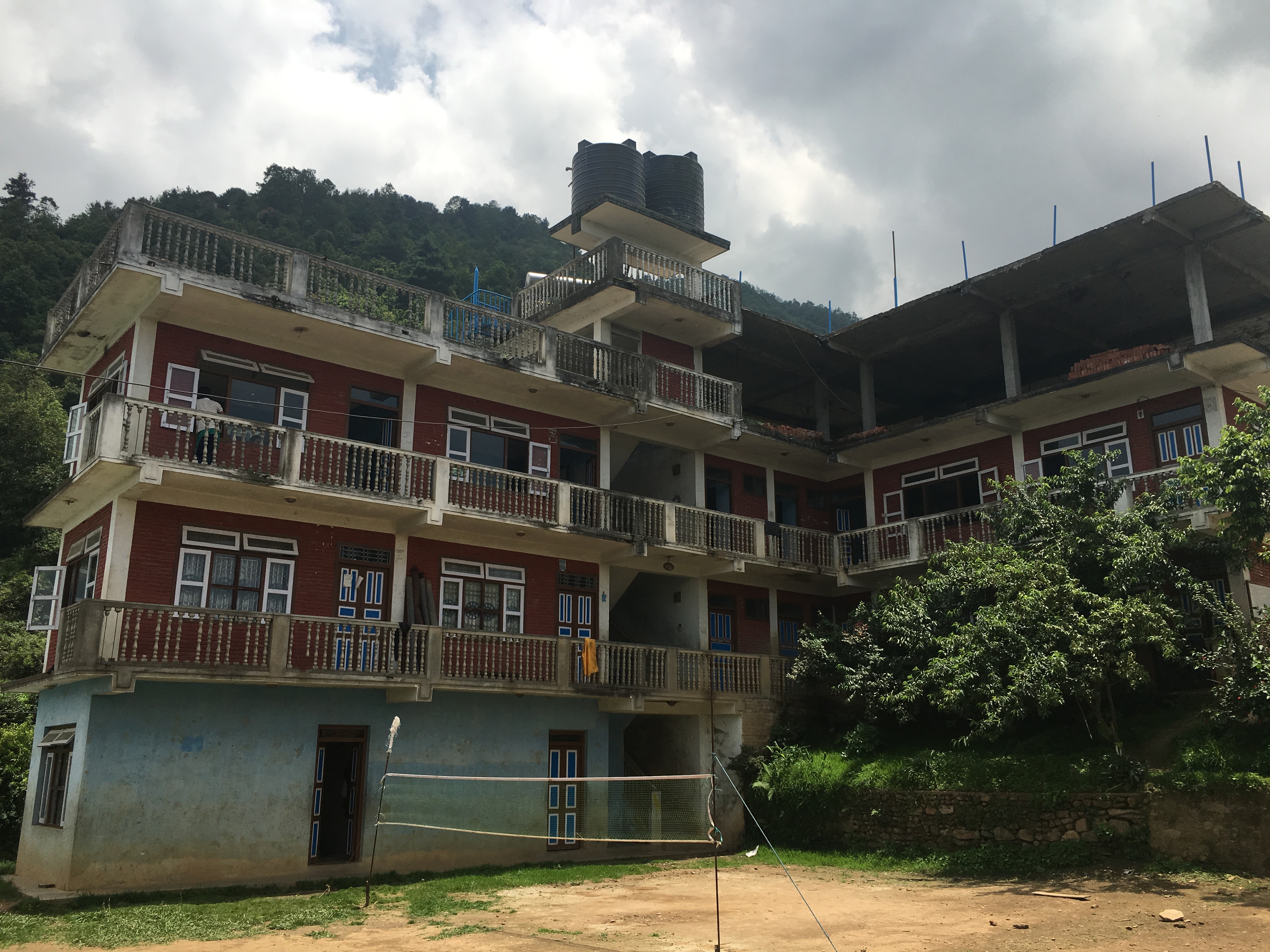
On the first day Ramchandra took me on a tour of the facilities. There are about 8 on the site, as well as agriculture on every possible foot of land. The buildings are surprisingly substantial concrete buildings. Nevertheless many were damaged by the earthquake, especially where they were engaged in new construction. Amazingly, when it hit all the children and adults happened to be outside or many would have been injured or killed. See the story dictated to me by one of the classes.
 
At the Ashram I met several former students I had originally met at various IDECs. Two of them are now university educated and currently teaching at the Ashram school. They had come as three and four year old orphans. The Ashram typically finds a way to send its students to college and university, wheeling and dealing to get them in. They were very disappointed that the Finish embassy turned down their visas to come to this year’s IDEC, although funds had been raised for them.
 
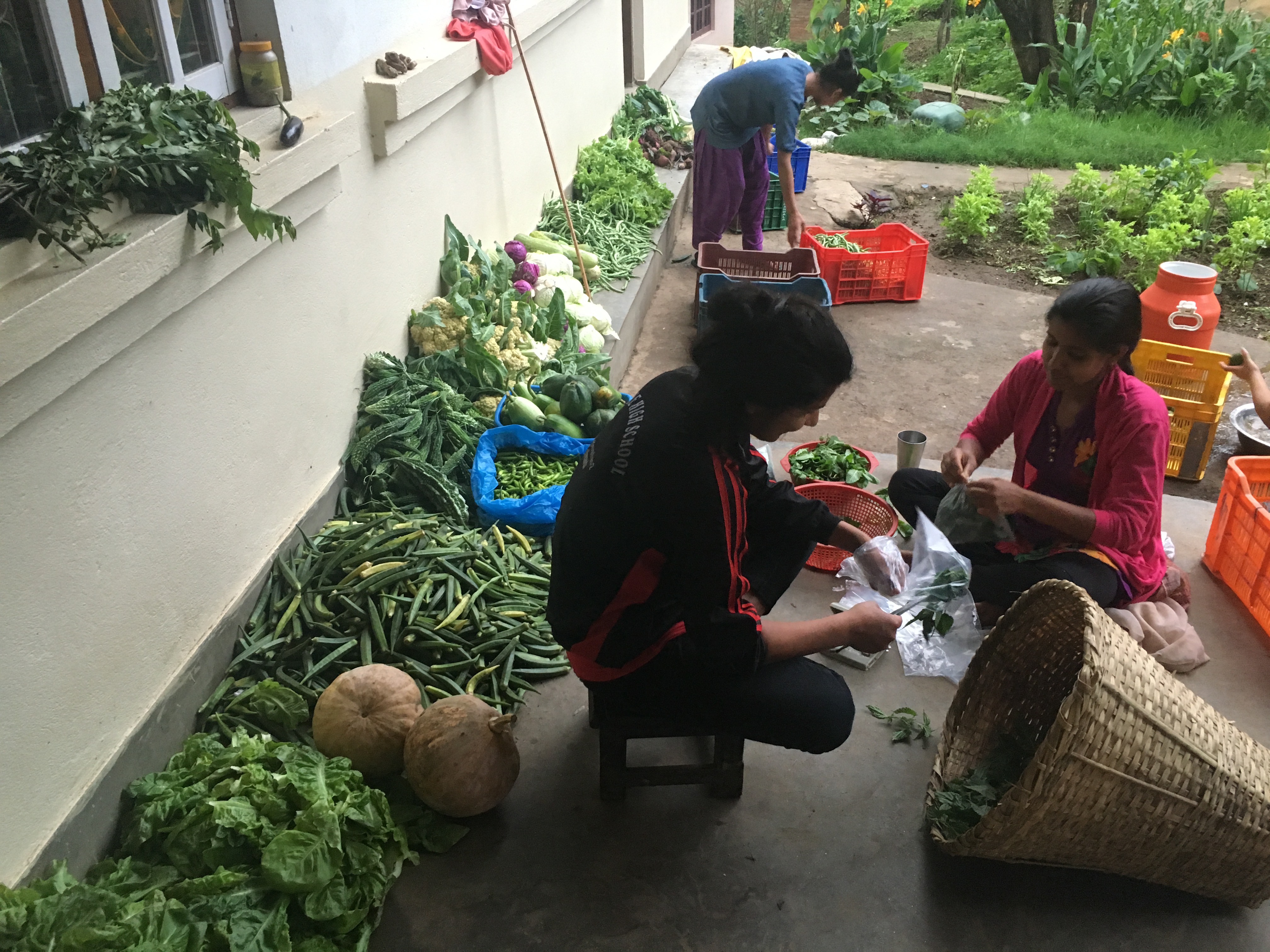
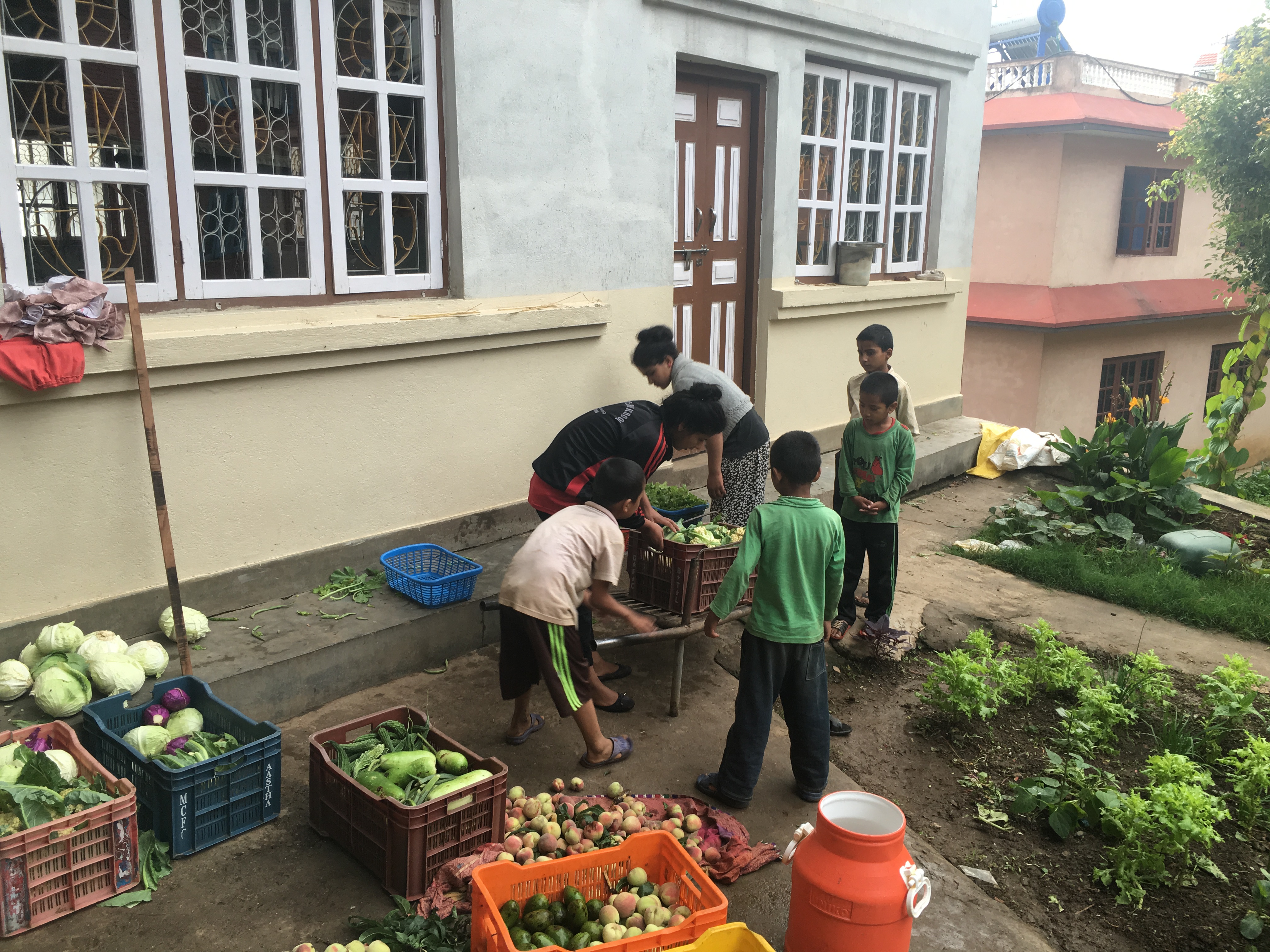
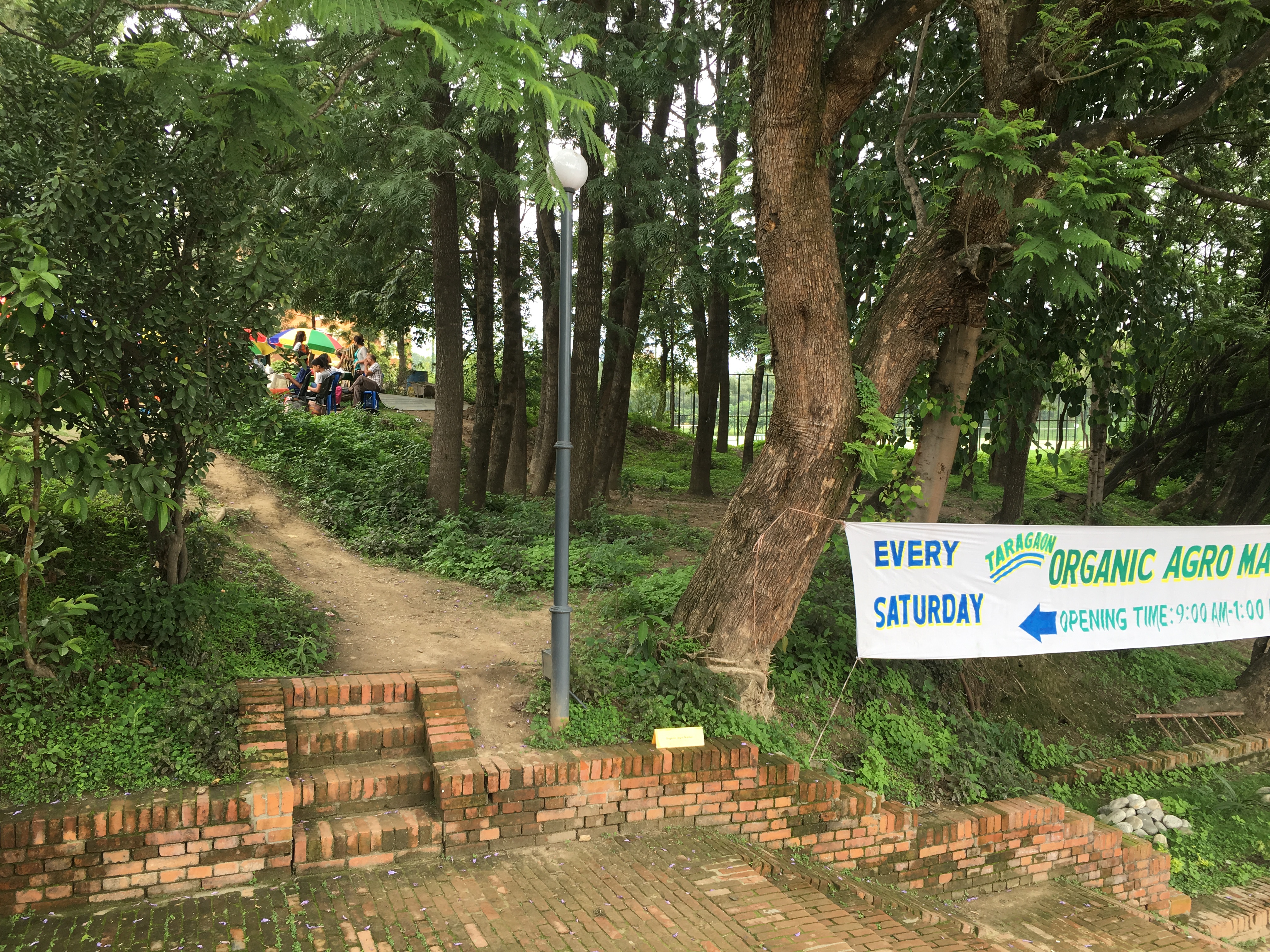
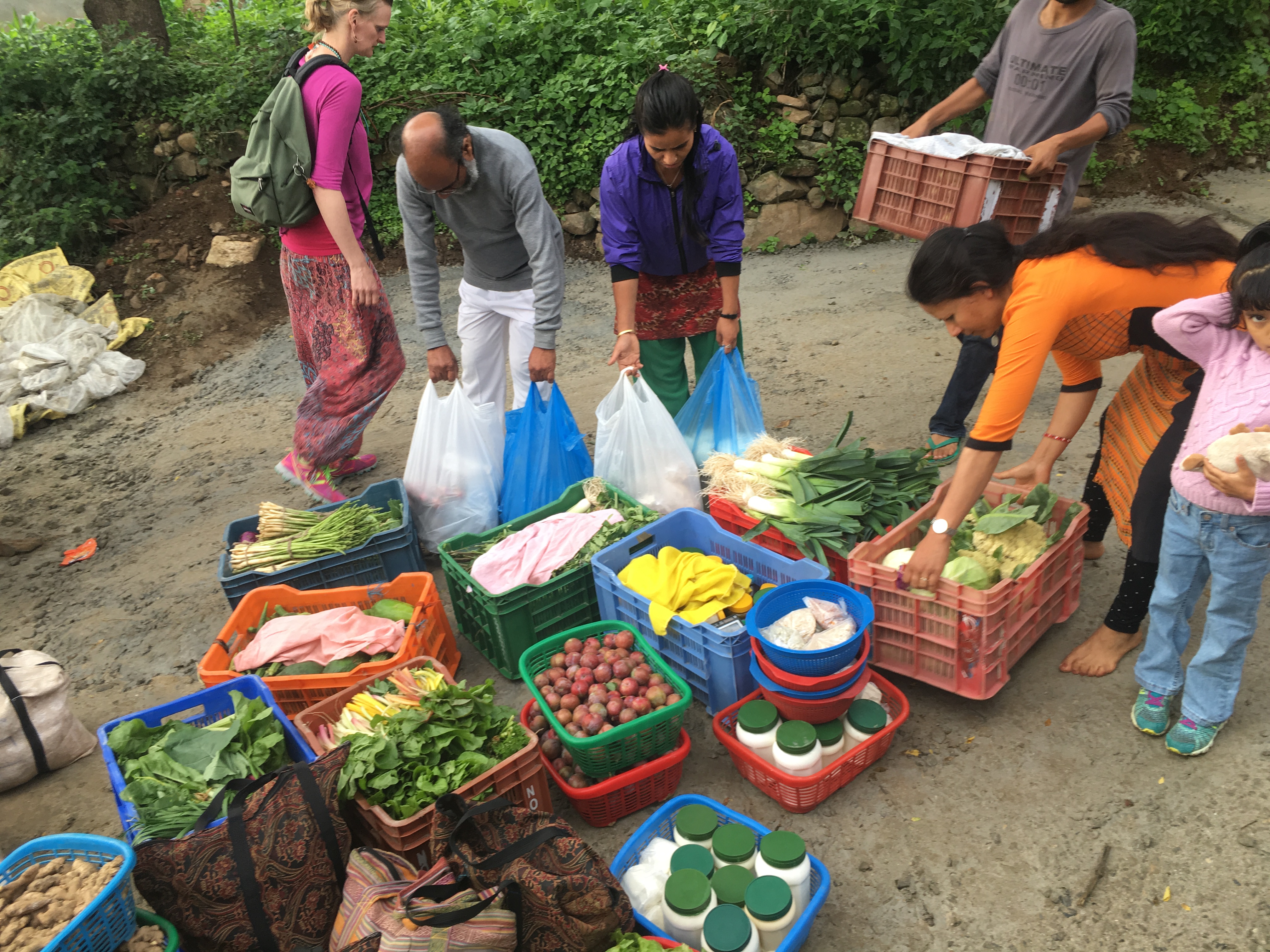
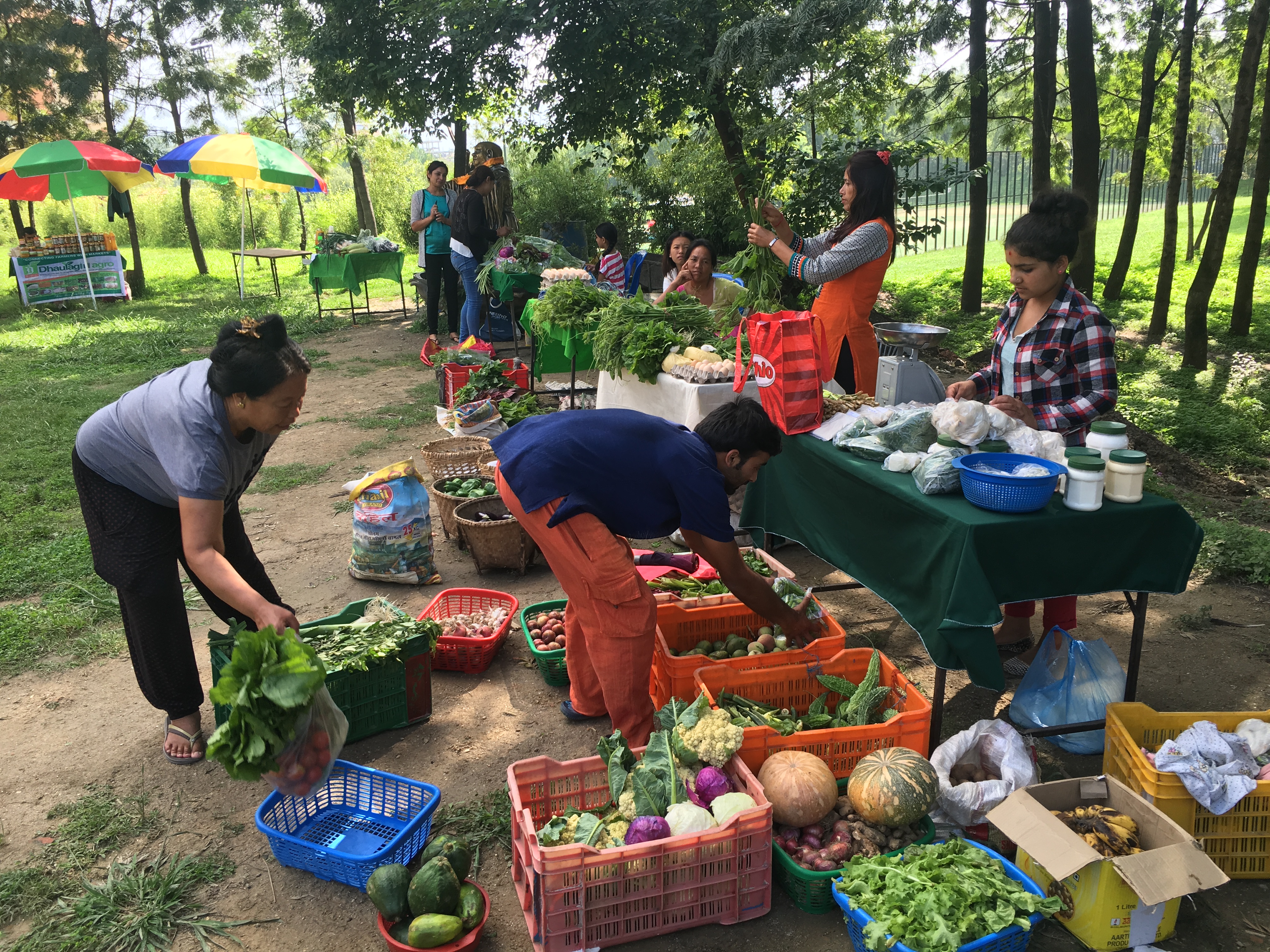
On one day I went with a group to sell their produce at an organic market in Katmandu. Going into Katmandu is a bone-shaking, dusty, hair-raising experience. People drive on the left and at random other sides. Traffic lights are a suggestion, often not followed. Roads are full of giant potholes. The streets are crammed with every imaginable kind of vehicle, but innumerable motorbikes. The ten mile trip from the airport took 1 1/2 hours! The Ashram has a small truck in which it brings milk to Katmandu daily, and once a week goes to the market.  Susan Sarandon helped buy that truck. They did have a bus, donated to them by India, but it no longer works or is repairable. They need a new one.
 
There is so much more to tell about: Healthy food and daily meditation for the community, as well as what goes on at the agricultural land in Terai, where 60 children also live. The Gulmi land in the mountains. is being developed for tourism to support the Ashram. Fifteen graduates are organizing it.
 
Part of their 2 1/2 acres of Katmandu land consists of a tract that they purchased permanent rights to use 15 years ago. They farm this land and have also built their cow shed on it. The dairy is one of their most important sources of income. The original one and the older students dorms were destroyed in the earthquake. This was the King’s land. The tenant who had it sold the permanent rights to it to Ramchandra  but now wants to get it back since its value has greatly increased. Of course he has no right to this, having sold his rights to the Ashram many years ago. But now the former King’s land will soon revert to the tenants. The former tenant’s name will appear there. He is supposed to sign over the ownership within 35 days. But he said he will refuse to do so and apparently has somehow got the ear of the land minister. So they are trying to steal this land from the orphans. This process will be watched  by our members and readers around the world. A hearing was scheduled for the 26th  of June. By that time I will be back in NY. They may try to postpone that hearing. Some of my time there consisted of communicating with the American Consulate to see if they could help in the situation. We’ll keep you informed.
 
The Ashram is well set up for a small number of tourists, which helps in their support. I saw several groups come and go while I was there. I think the cost is only $15 a day. I arranged for people from LEAPNow, a gap-year program and AERO member, to go there and they were thrilled to be there. Some stayed on to intern. Other groups have returned. If you ever have the chance you should visit the Ashram.
 
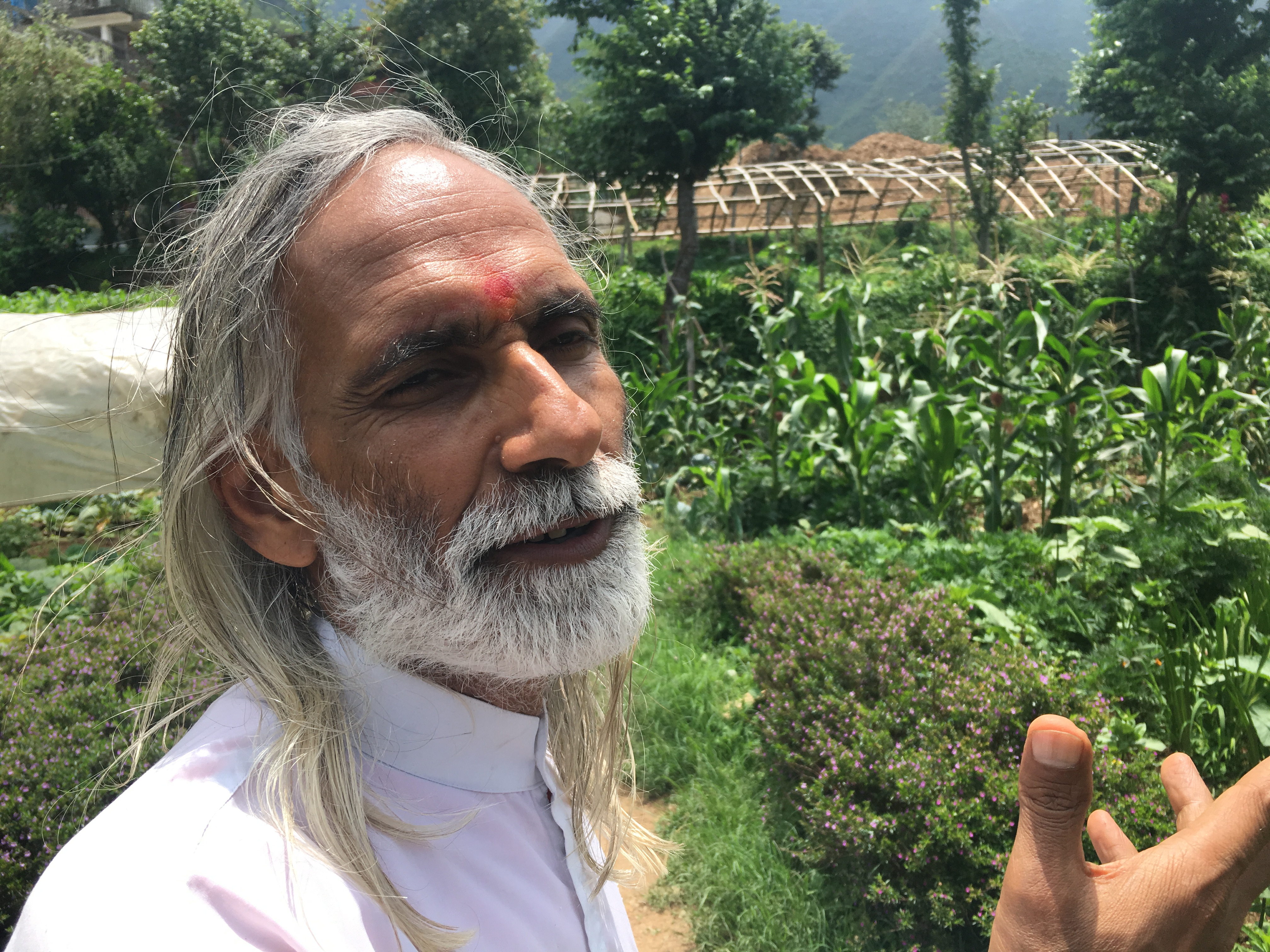
Ramchandra


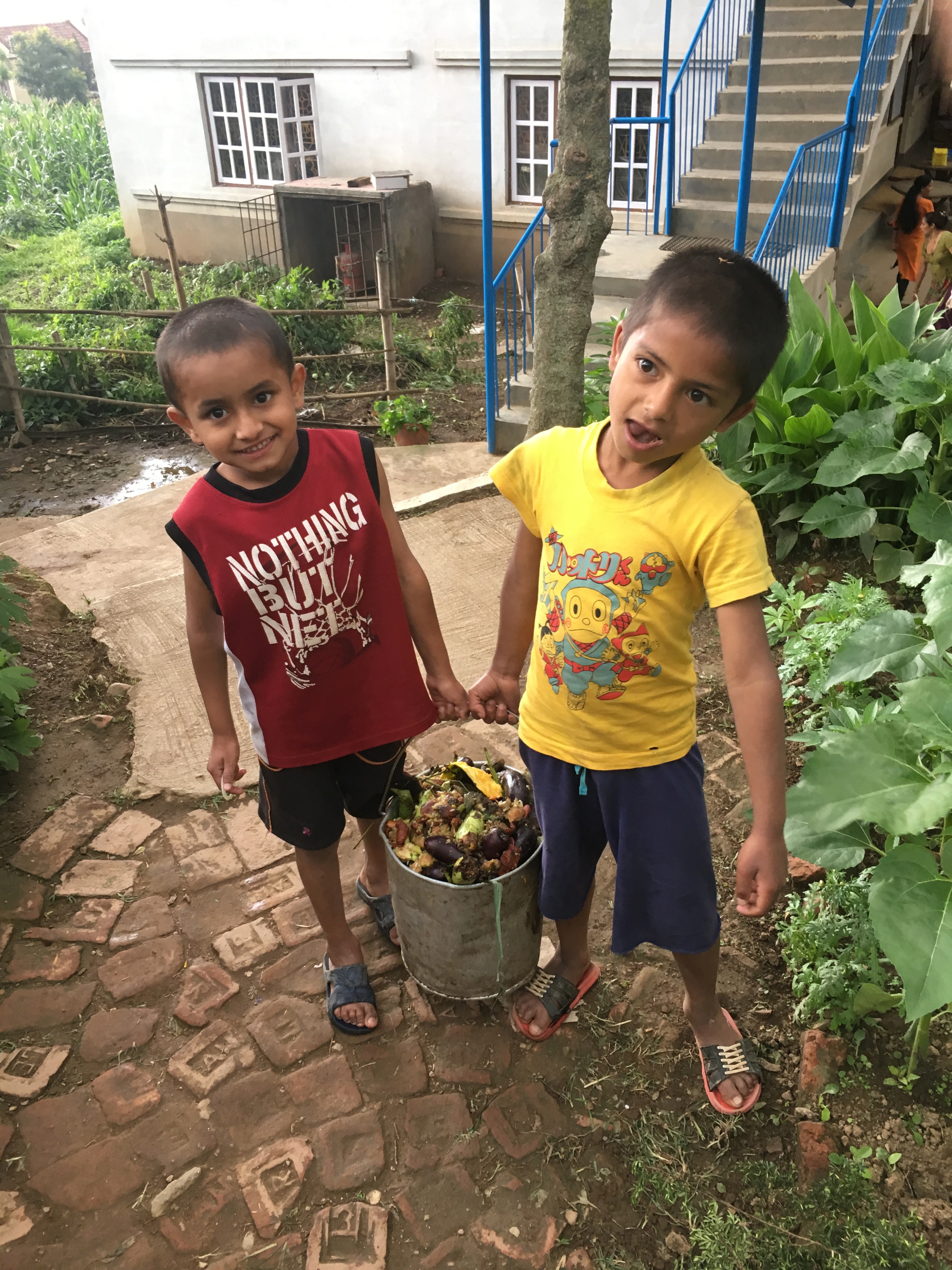
The children doing their chores
 
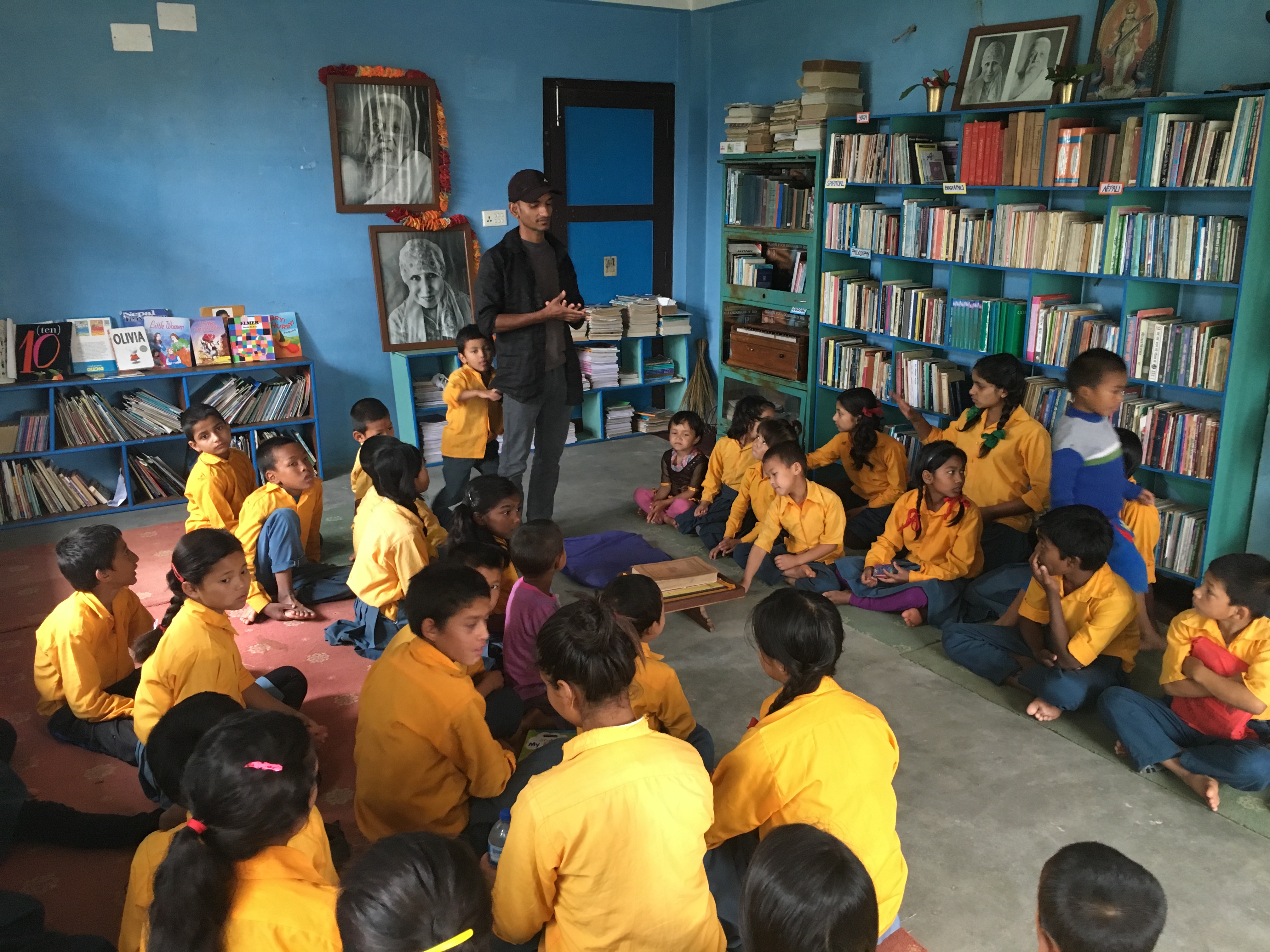
Rishi teaches a class of 2nd and 3rd graders
 
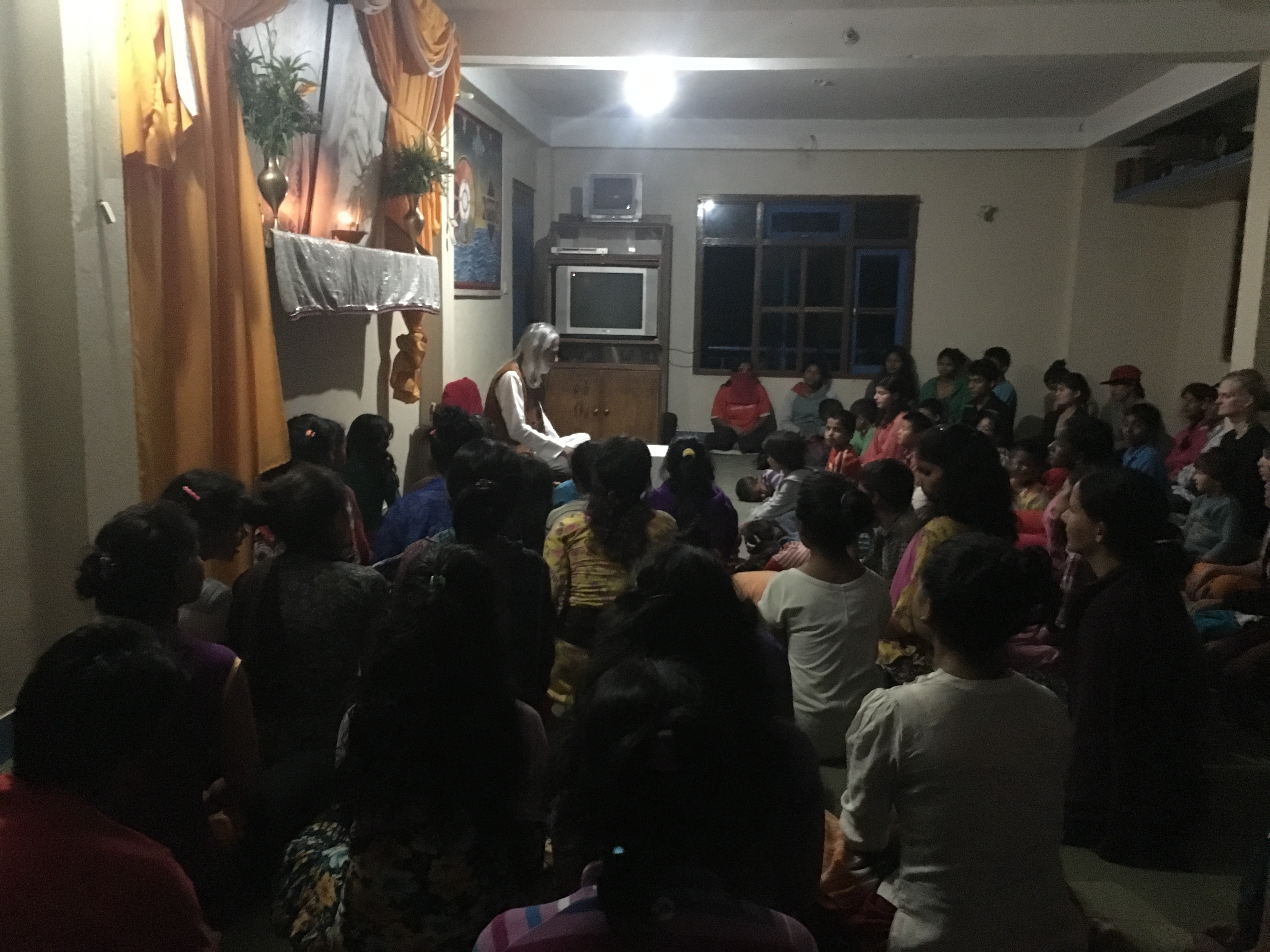
Ramchandra leads a meditation
 
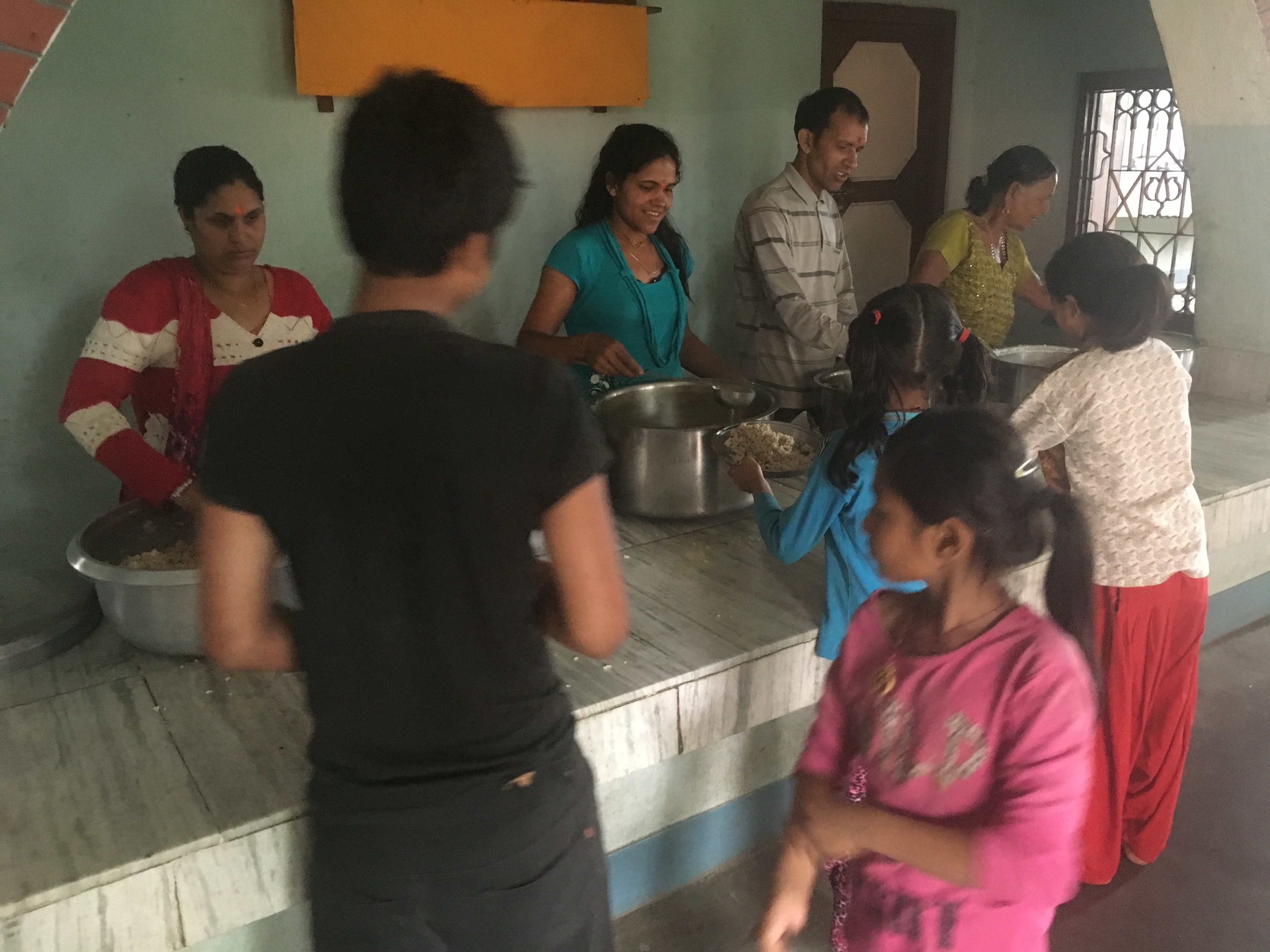
Staff members feeding the children
 
Construction temporarily halted due to the earthquake
 
Earthquake Damage
 
 
The ashram's school building, K-9 (Through 10th and graduation next year)
 
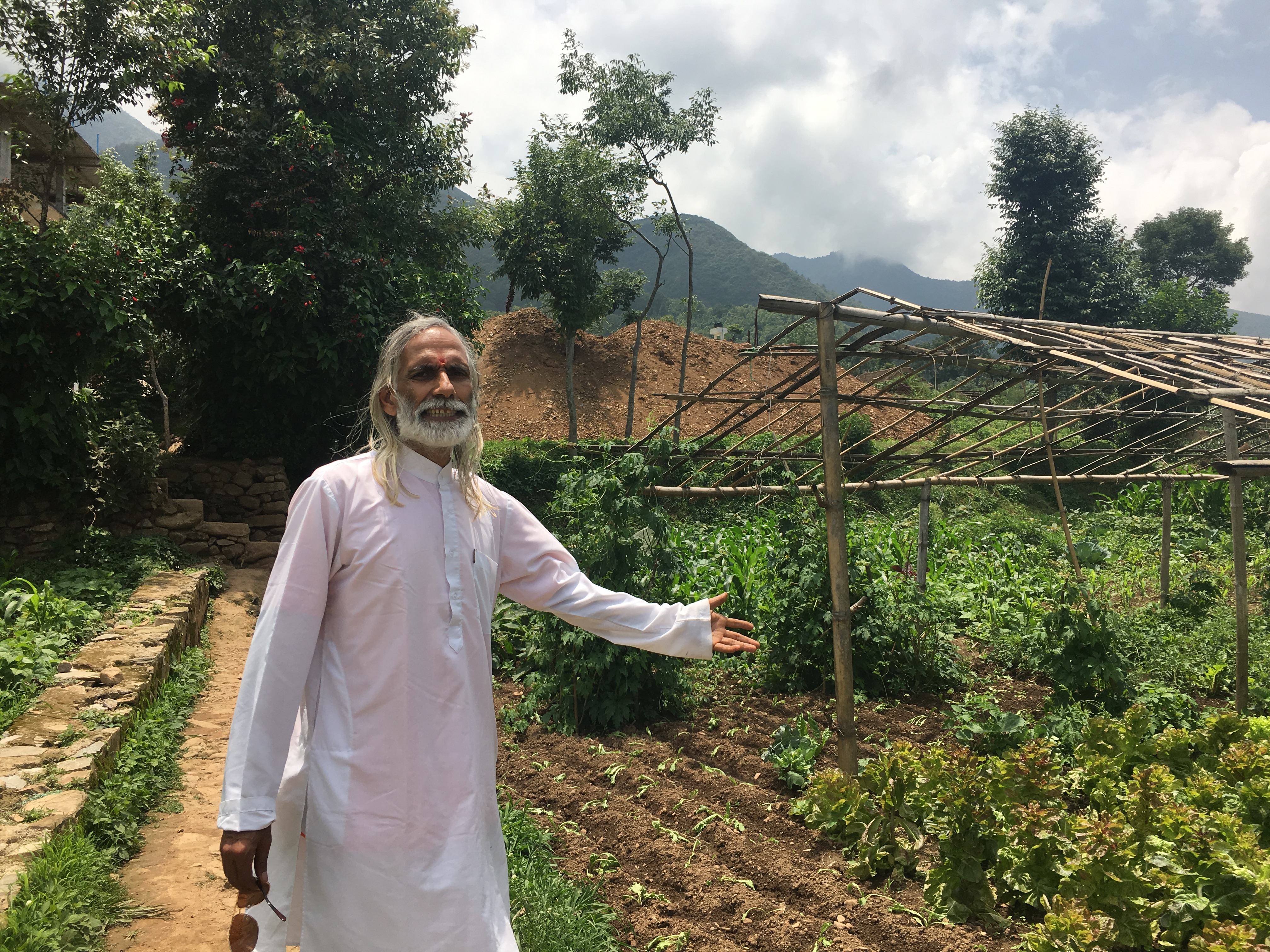
Ramchandra and the ashram's garden
 
Preparing to go to the organic market in Kathmandu
 
Arrive at the organic market
 
Setting up at the market
 
At the market
 
 
Posted on

One Final Adventure-to the Hospital!

I caught some kind of stomach bug in Nepal which began to hit me as I flew from Katmandu to Delhi, India. I felt very tired on my layover in Delhi from 7 PM to 1:50 AM. Then I didn’t get much sleep on the 10 hour flight from Delki to London. Fortunately I had built in a rest day overnight in London.
 
I arrived  at 6:30 AM and went to a nearby Heathrow hotel. That’s when I really hit me. I had the runs all day. I was worried about getting dehydrated. I even called my doctor in New York by Skype who said I should get some Imodium and electrolytes and stay hydrated. But it was too late. I took a taxi to the nearest pharmacy and got those things. I felt sicker and sicker and the Imodium didn’t work at first. I decided to drag myself to the restaurant to get some soup to get some liquid in. I could barely finish it.
 
I took the elevator to my room, but as I started to get out I felt faint. The next thing I knew I had faited dead away for the first time in my life. I found myself on the floor against the wall with the soup also on the floor in front of me and a porter standing over me. It took me a while to get to my feet. The porter wanted to call the hospital. I resisted at first and went to my room. He came with me. Finally I agreed to see the paramedics. The first one came in, a very friendly and competent English man. He checked my blood pressure. It was an unbelievably low 87 over 56. How could I even be conscious? He checked blood sugar-it was OK. He gave me an electrocardiogram. Finally he started a fluid IV at my suggestion—all in the hotel room. The hotel didn’t have elevators big enough for a stretcher  and they were going to carry me on a special chair to the ambulence, but I said I could walk to the elevator, and I did. At the hospital they checked everything out. Blood pressure was going up. The Imodium had finally kicked in. Eventually they gave me another IV and the blood pressure came up to 113 over 67, acceptable. The guy who took out the IV and discharged me was Nepalese and very excited to hear I had just gone to Nepal. He actually comes from the area where the Ashram has much of its agricultural land, Terai. So I had to show him some of the pictures I had just taken in Nepal. I finally took a taxi back to the hotel at 4:30 AM with a note from the doctor that said I was OK to fly. And I’m writing this on the plane back to New York!